
What is Parkinson's Disease?
- Parkinson’s disease is a progressive neurodegenerative disorder, classed in a group of motor system disorders, affecting initiation and refinement of movement.
- The disease is further defined by its grouping as a basal ganglia disorder.
- It is generally believed that a direct motor loop acting via the basal ganglia in the human brain functions to facilitate the control and initiation of ‘willed’ movement.
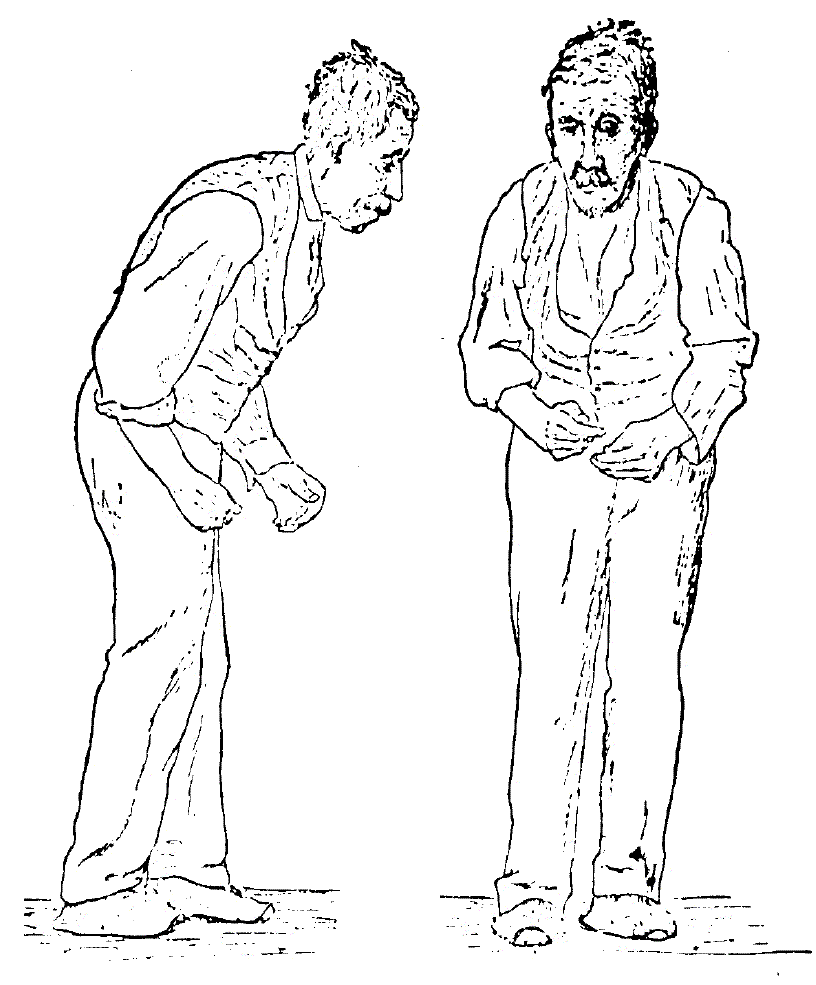 Decreased basal ganglia output is thought to lead to hyperkinesias or overactive excessive movement. This is seen in Parkinson’s disease thereby displaying a range of symptoms including tremor, rigidity or stiffness, bradykinesia, and postural instability teamed with a lack of coordination and impaired balance. A third of Parkinson’s sufferers are also seen to develop senile dementia of some degree.
- Parkinson’s disease is a worldwide, often idiopathic disorder but may also follow stroke, virus infection and can be drug induced, as has been seen in the use of antipsychotic drugs.
- The disorder effects both men and women, prevalent in those of over 50 years and becomes more common with age increase, for example, approximately 5/1000 people of 60 years are diagnosed with Parkinson’s, where 20/1000 people of 70 years are.
- Parkinson’s disease can also effect those under 50 years, though cases are rare and generally thought have genetic and hereditary causes with both the gene mutations synuclein and parkin having already been identified.
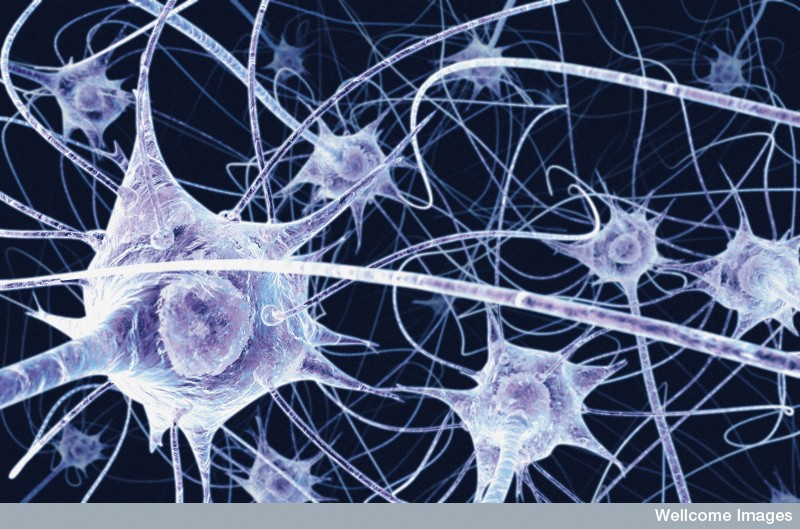
The disorder is associated with the early degeneration of dopaminergic nigrostriatal neurons leading to depleted amounts of dopamine, followed by more general neurodegeneration.
This website will discuss all aspects of the disease including new findings and research being undertaken into the disorder in an effort to provide both a learning experience and guidance for those interested.
Banner image courtesy of Flickr. Parkinsonian Gait image courtesy of wikimedia commons.